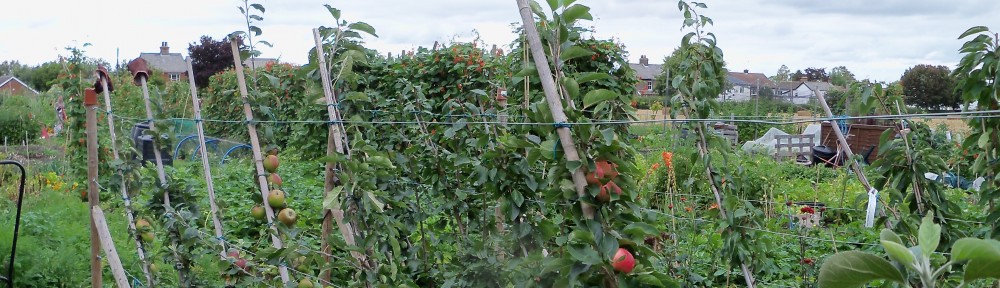
To do on your plot in June

Harvest

Salad crops should be available, lettuce, spring onion, radish etc, Summer cabbage and early carrots.

The early potatoes will be coming in this month as well as Beetroot, young turnips and summer spinach. Early peas could well be cropping in June.

Sowing, Planting and Cultivating

Cultivating

As with May, we really need to keep on top of the weeds. Hoeing them off as small seedlings will make the job far easier than waiting for them to grow and send their roots down.

Continue thinning out your carrots, parsnips, beetroot etc. Water when required.

In very dry weather, keeping the surface friable by hoeing will help keep the water from getting to the surface by capillary action and then evaporating away. It also helps water soak in when you do get some rain.

Planting

You should be able to plant out brassicas now. Broccoli and calabrese, Brussels sprouts, summer cabbage.

If you have started beans in pots, both runner and French these can go into the outside too. Leeks may well be ready to move to their final position. Celery can go out now as well.

Outdoor tomatoes can go to their final position now. When moving plants from greenhouse to outdoors it is a good idea to condition them to the move. Take them out in the day and put them back at night for a few days or move from greenhouse to coldframe. This avoids shocking the plant by a sudden and drastic change in climate.

Sowing

There is a lot to sow this month and with many crops you can sow one set and then a few weeks later re-sow to give you a succession of fresh vegetables. In dry weather it is a good idea to soak your seed drill before sowing and then just water with a fine rose after.

  • French and Runner Beans
  • Maincrop peas
  • Beetroot
  • Carrots
  • Turnips
  • Swedes
  • Cauliflowers
  • Chicory
  • Endive
  • Kohlrabi
  • Sweetcorn
  • Squash
  • Courgette and Marrows
  • Cucucumber

In the greenhouse

Keep pinching off the side shoots with your tomatoes and keep an eye out for pests such as aphids, whitefly, red spider mite. If you are subject to attack by these pests it is worth checking out biological controls as these are perfectly safe to use and, used correctly, more effective than traditional chemical controls. Many of the chemical controls of the past are no longer available anyway so the organic alternatives are now the mainstream choice.

Fruit

Make sure your fruiting plants have sufficient water when the fruit is swelling. This is critical to a good crop.

Thin out plums and apples in June.

General Tasks

Slugs and snails are at ground level so take action to keep them down and remember birds will eat your crops. Don’t forget the netting.

The butterflies are about now as well so check the undersides of your brassica leaves for the yellow or white eggs that will hatch into caterpillars and devastate the plant. You can squash them, wipe or wash them off easily at this stage.

To do on your plot in May

Weather permitting the soil is warm and everything should be growing well. Unfortunately the weeds are growing well too so you need to keep on top of those. Watch out for a late frost!

Harvest

You may have some salad crops ready. Hardy lettuce and spring onions, fast growing radish may well be available.

Winter cauliflowers, spring cabbage, sprouting broccoli and kale should be ready now.

Sowing, Planting and Cultivating

Cultivation

Weeds are growing. Hoeing them off as small seedlings will make the job far easier than waiting for them to grow with a deeper root system.

The other cultivation job outdoors is to thin out carrots and parsnips.

Sowing

Sow sections of seeds every couple of weeks to give a succession of fresh vegetables rather than a glut. If the weather is dry, it is a good idea to soak your seed drill before sowing and then just water with a fine rose after.

  • French Beans
  • Runner Beans
  • Beetroot
  • Broccoli and Calabrese
  • Cabbage and Cauliflowers
  • Chicory
  • Kale
  • Kohlrabi
  • Peas
  • Turnips and Swedes
  • Your salad crops should be sown in succession
  • Lettuce and Leaves such as Rocket
  • Radishes
  • Spring Onions

Sowing under cover

  • Sweetcorn
  • Courgette
  • Marrow
  • Pumpkin

These really don’t like starting in the cold and you only grow a relatively few plants so starting off in pots is well worth the investment.

Planting Out

If your plants are large enough, you can plant out now:

  • Brussels sprouts
  • Summer cabbages
  • Celery
  • Celeriac
  • Leeks.

In the greenhouse

The following are ready for replanting to a growbag or a large pot.

  • Aubergine
  • Peppers (Chilli and Sweet)
  • Cucumber
  • Tomatoes

Fruit

Be aware of the birds and if possible use a fruit cage or netting to keep the birds away.

Strawberries planted this year will perform better in subsequent years if you remove the flowers so they don’t set fruit in the first year but concentrate on building their strength for next.

Pests

Slugs will be a big issue, and can work through whole rows of seedlings.

Ensure Carrots are covered with a fleece, and edges are buried to stop the carrot root fly from gaining entry to lay eggs by the carrots.

To do on your plot in April

Sowing, Planting and Cultivating

The weeds will now be springing into action, so keep the hoe going.

Things to Sow

  • Beetroot
  • Peas
  • Broad Beans
  • Broccoli
  • Brussels Sprouts
  • Cabbage
  • Cauliflower
  • Kale
  • Chard
  • Kohl Rabi
  • Leeks
  • Spinach
  • Beet spinach
  • Rocket
  • Lettuce
  • Radish

With your carrots, covering with a fleece and ensuring the edges are buried will stop the carrot root fly from gaining entry to lay eggs by your carrots.

Plant Outdoors

Globe and Jerusalem Artichokes

Onion & Shallot Sets

Asparagus.

Easter is also potato planting time.

Sow in Heat (Greenhouse or Windowsill)

  • Aubergine
  • Celery
  • Outdoor Cucumbers
  • Tomatoes (if you’ve not already done so).

Sow Outdoors Under Cloche

  • French beans
  • Lettuce
  • Sweetcorn

Fruit

Strawberries can be planted out now, it’s best to remove flowers in the first year as you conserve strength for growth and gain larger crops in subsequent years. An easy way to gain strawberry plants is to plant the runners into pots and when rooted cut the runner. The plants don’t last forever so you need to rotate them ever three to five years.

Hand pollinate peaches and nectarines. Tickle the flowers with a small paint brush to spread the pollen. Cover if a cold spell threatens.

A good layer of compost around the base of fruit trees will ensure they have the nutrition to provide another good crop for you.

Pests

The carrot root fly. Slugs and snails are now coming out and active.

To do on your plot in March

General Jobs on plot

If you have any horticultural fleece, you can peg that onto the ground a week or so before you plant. The small rise in temperature of the soil can make a big difference

Harvest

Parsnips should be dug up in early March before they try and re-grow.

You may have spinach beet and chards available, the last of the late Brussels sprouts, winter cauliflowers, kale, swedes, salsify and scorzonera.

Sowing & Planting

If the weather permits you can plant your onion and shallot sets. This is the correct time to establish an asparagus bed if you are starting from crowns. Mid March should let you start planting those early potatoes you’ve been chitting. You can also plant Jerusalem artichoke tubers now.

Things to Sow

  • Beetroot
  • Broad Beans
  • Early Peas (but they may do best started in a gutter in the      greenhouse then slipped into a trench)
  • Brussels sprouts – early varieties
  • Leeks
  • Lettuce
  • Radish
  • Parsnips
  • Spinach Beet
  • Early Turnips

Sow in Heat

Windowsill or a propagator in the greenhouse will come into use now to start off your tomatoes, peppers, aubergines and cucumbers.

Under Cloche

Summer cabbages and early cauliflowers, early carrots will get away best under a cloche. If you set your cloche up a week or two beforehand, it will warm up the soil so you will get even better results.

Fruit Planting & Pruning

There is still time to finish planting bare rooted fruit trees and bushes, especially raspberries and other cane fruits.

You can still prune apple and pear trees while they are still dormant. It’s also time to prune gooseberries and currants. With currants shorten the side shoots to just one bud and remove old stems from the centre of the bushes.